
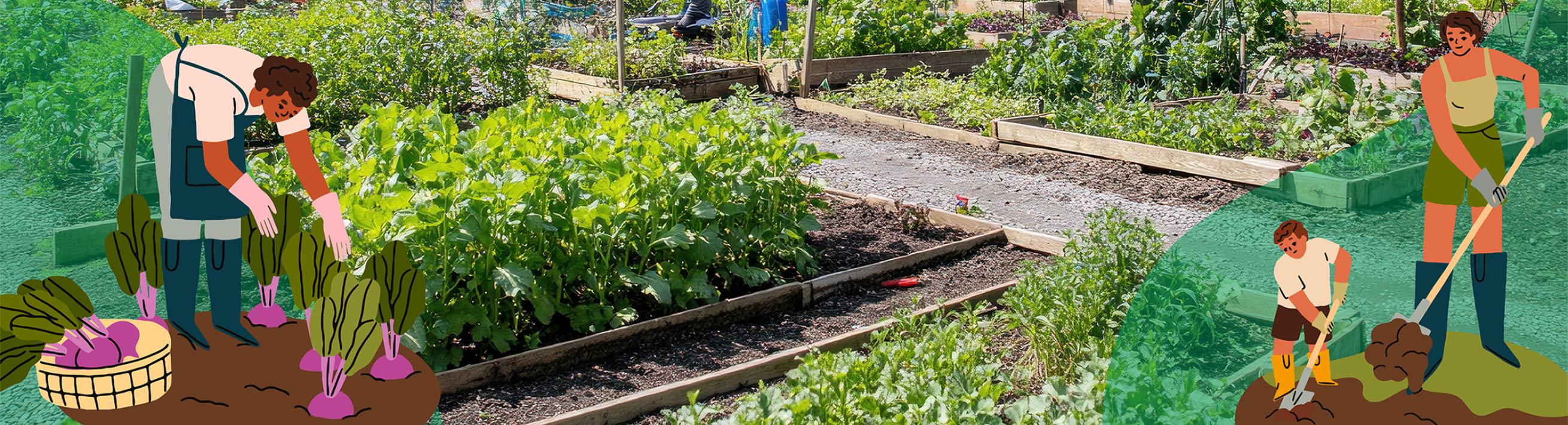
Growing food for ourselves, our families, and our neighbors connects us to the land and helps ensure our communities have access to healthy locally grown food and spaces that restore the relationship between people, the environment & food. If we don't have healthy soil, we don't have healthy food. If we don't have healthy food, we don't have healthy people." - jøn kent, Sanctuary Farms

Why are PFAS chemicals a problem?
Perfluoroalkyl and polyfluoroalkyl substances (PFAS) are a class of chemicals used in a range of products such as non-stick cookware and fire-fighting foam. These chemicals are largely unregulated and released into air, water, and land where they do not break down in the environment. The primary way people are exposed to PFAS are through food, drinking water, and indoor dust from home products and clothing. Exposure has been linked to an increased risk of certain cancers, thyroid dysfunction, reproductive harm, high cholesterol, and more.
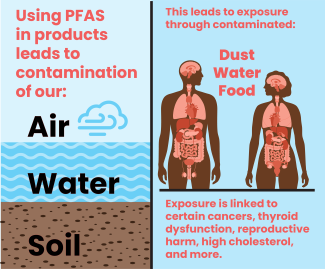
Widespread use of PFAS contributes to widespread contaminations
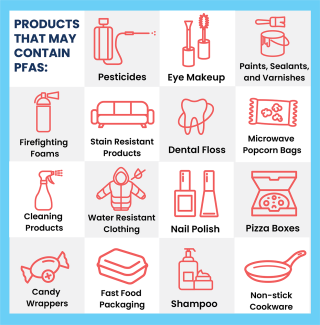
Products that may contain PFAS: pizza boxes, pesticides, eye makeup, firefighting foams, stain resistant products, dental floss, microwave popcorn bags, paints, sealants, varnishes, cleaning products, water resistant clothing, fast food packaging, candy wrappers, nail polish, shampoo, and non-stick cookware.
How can PFAS end up in gardens?
While contaminated soil, water, pesticides, soil amendments, and repurposed materials are potential sources of PFAS exposure in your garden, risks vary by source.
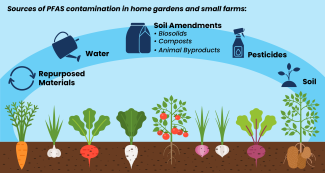
Soil Amendments
Biosolids: The most significant potential source of PFAS in a typical garden is from fertilizers made from bagged sewage sludge, often referred to as biosolids. These fertilizers can be purchased at many garden stores. Biosolids often contain persistent and toxic chemicals, such as PFAS, which can contaminate gardens and water sources.
Composts: Composts typically have lower PFAS levels than biosolids. The feedstock for home compost can come from a variety of sources, which can affect PFAS levels. Compostable, paper-based food containers, in particular, can raise PFAS levels when they are present in compost.
Animal Byproducts: Manure, bone meal, or fish emulsion are often used as fertilizers in home gardens. PFAS may be present if the animals had been exposed to PFAS in contaminated soils or water. More research is needed to understand PFAS levels in these potential sources.
Water
Contaminated water could be a potential source of PFAS in the garden. It’s essential to determine whether your water source is from a public or private water supply. If public, you can find PFAS test results on your water reports. If you’re on a private well, you need to test yourself or determine if you’re part of a state investigation that will test for you. If you live near an industrial site, consider testing your rainwater for PFAS contamination.
Plastic Materials
Using natural materials and minimizing plastic in the garden has many benefits. Plastic materials such as tarps, groundcover cloth, greenhouse film, seed trays, and hoses may shed small plastic particles into your garden over time. In soil, these microplastics can impair beneficial soil organisms and plant growth. Research has shown that the combination of PFAS and microplastics can have more severe toxic effects.
Repurposed materials
Wooden railroad ties and carpet remnants may contain hazardous substances. Treated wood contains preservatives, some of which are toxic, and most carpet is made of plastic and may contain PFAS, a chemical that was commonly used to pre-treat carpet until recently. Plain, brown cardboard is unlikely to contain PFAS; however, shiny or waxy cardboard, such as that used in pizza boxes, should be avoided because it may be coated with a plastic layer or treated with PFAS.
Pesticides
Research has found that insecticides and herbicides frequently contain PFAS chemicals. In some cases, the active ingredient is itself a PFAS. In others, a PFAS chemical is used as a surfactant to help the pesticide chemical stick to plants. In some cases, PFAS is released from fluorinated plastic containers used to store the pesticide.3 You can eliminate this source of PFAS by using gardening practices that support a thriving soil biome through minimal disturbance and the addition of organic matter.
References
- DeLuca, et al, 2022. Human exposure pathways to poly- and perfluoroalkyl substances (PFAS) from indoor media: A systematic review, Environment International, 162, 107149
- Soltanighias, et al, 2024. Combined toxicity of perfluoroalkyl substances and microplastics on the sentinel species Daphnia magna: Implications for freshwater ecosystems, Environmental Pollution, 363(1), 125133
- Center for Biological Diversity, 2023. High Levels of Dangerous ‘Forever Chemicals’ Found in California’s Most-Used Insecticide. Link